Dholavira Archaeological Site is one of the most fascinating historical destinations in Gujarat, offering a glimpse into the remarkable achievements of the ancient Harappan civilisation. Located on Khadir Bet in the Great Rann of Kutch, Dholavira is known for its planned city layout, fortified structures, ancient water reservoirs and distinctive archaeological remains.
For travellers looking for a complete Dholavira travel guide, this destination offers much more than a historical sightseeing experience. It provides an opportunity to understand how an ancient community developed a well-organised city and managed water in a challenging, dry environment.
Recognised as a UNESCO World Heritage Site in 2021, Dholavira attracts history enthusiasts, students, families, photographers and visitors interested in exploring the cultural heritage of Gujarat. Its combination of ancient ruins and the expansive landscape of Kutch makes it a memorable stop on a heritage-focused road trip.
In this guide, Kutch Tours & Travels covers Dholavira’s history, major attractions, best visiting season, travel routes, accommodation options and practical tips to help you plan your visit.
About Dholavira Archaeological Site
Dholavira is an ancient Harappan settlement situated on Khadir Bet in Gujarat’s Kutch district. The site lies in the Great Rann of Kutch, a region known for its seasonal salt marshes, open landscapes and distinctive desert environment.
According to UNESCO, the settlement was occupied approximately between 3000 BCE and 1500 BCE. It is among the best-preserved urban settlements associated with the Harappan civilisation in South Asia.
The archaeological remains reveal a carefully organised city with fortified sections, residential areas, gateways, workshops and water management structures. The use of stone in construction is another distinctive feature.
Unlike destinations centred on a single monument, Dholavira is an extensive archaeological landscape. Visitors can explore different sections of the ancient settlement and appreciate how its inhabitants organised urban life thousands of years ago.
For travellers interested in Indian history, archaeology, ancient engineering and cultural heritage, Dholavira is one of the most rewarding destinations to include in a Kutch itinerary.
History of Dholavira
The Harappan civilisation
Dholavira developed during the Bronze Age as part of the wider Harappan civilisation, which had sophisticated urban settlements and long-distance trading connections.
Archaeological discoveries at the site include objects made from copper, shell, stone, semi-precious stones, terracotta and other materials. These finds provide evidence of craft production, technology and trade.
Advanced town planning
One of the most impressive features of the Dholavira Harappan site is its planned layout. The city included a fortified Castle, Bailey, Ceremonial Ground, Middle Town and Lower Town.
These sections illustrate how the settlement was organised into distinct areas. The surviving fortifications, gateways and other structures help researchers understand the city’s design and social organisation.
Ancient water management
Water was essential to life in this dry region. Dholavira’s inhabitants developed a sophisticated system of reservoirs, channels, drains and other water-related structures to collect and manage available supplies.
These features demonstrate an understanding of local environmental conditions and the importance of water conservation. They remain among the most significant reasons Dholavira is studied by historians and archaeologists today.
Archaeological discovery
The ancient city was identified in modern archaeological research in 1968 and excavated over multiple field seasons between 1989 and 2005. The excavations revealed evidence of its urban planning, architecture, craft production and cultural development.
Today, Dholavira provides a valuable opportunity to explore the achievements and changing fortunes of one of the world’s important ancient civilisations.
Why Is Dholavira a UNESCO World Heritage Site?
Dholavira was inscribed on the UNESCO World Heritage List in 2021 under criteria recognising its cultural significance and outstanding example of ancient urban planning.
Its importance rests on several key features:
- Urban planning: A well-organised settlement with distinct fortified and residential areas.
- Water management: Reservoirs and drainage systems adapted to the region’s environmental conditions.
- Architecture: Stone construction, gateways and multi-layered fortifications.
- Craftsmanship: Archaeological evidence of bead manufacturing and other craft activities.
- Trade: Finds that indicate connections with other Harappan centres and regions beyond the subcontinent.
A visit to Dholavira is therefore more than a sightseeing experience. It offers insight into early urban life, technological development and the relationship between human communities and their environment.
Best Attractions in Dholavira
1. The Ancient Harappan City

The main archaeological complex is the highlight of Dholavira tourism. Explore the remains of ancient walls, gateways, settlement areas and other structures to understand how the city was organised.
Allow enough time to observe the layout and read the available interpretation boards. If a knowledgeable guide is available, a guided visit can help bring the history to life.
2. Ancient Water Reservoirs

Dholavira’s water reservoirs are among its most remarkable archaeological features. They show how ancient inhabitants collected and stored water in a region with limited and seasonal supplies.
The visible stone structures offer a fascinating perspective on ancient engineering and resource management. This is a particularly interesting stop for students and families.
3. Fortifications and City Gateways
The remains of the fortified Castle, Bailey and other sections demonstrate the scale and organisation of the ancient settlement. Observe the surviving walls and gateways to understand how the city’s different areas were separated.
These structures are also useful for visitors interested in architecture and ancient construction techniques.
4. The Harappan Inscription
Dholavira is associated with a distinctive inscription made using symbols of the Indus script. It is an important feature of the site’s archaeological heritage.
The Indus script remains undeciphered, so visitors should avoid treating proposed translations as established fact. Check with site staff about the current interpretation or display arrangements.
5. Road to Heaven

The Road to Heaven is a scenic route associated with the salt landscape of Kutch and is a popular addition to Dholavira road trips.
Its long stretches of road, expansive skies and open surroundings offer excellent opportunities for landscape photography. Include it when it fits your route and current access conditions.
Stop only in safe, permitted areas and never stand in moving traffic for photographs.
6. Dholavira Village and Surrounding Landscape
Spend some time appreciating the local landscape and rural surroundings. This provides a different perspective on Kutch beyond its archaeological remains.
Be respectful when photographing residents or private property, and ask permission before taking close-up photographs of people.
7. Nearby Fossil and Geological Features
The wider region is of interest to visitors curious about geology and natural history. Before adding a fossil park or another specific geological attraction to your itinerary, confirm its location, access arrangements and visitor facilities locally.
Do not remove fossils, stones or archaeological material from protected or heritage areas.
Best Time to Visit Dholavira
The period from October to March is generally recommended for visiting Dholavira, as temperatures are usually more comfortable than during the hot summer months. Gujarat Tourism also identifies these months as a preferred visiting season.
| Season | Typical conditions | Recommendation |
|---|---|---|
| October–November | Weather generally becomes more comfortable after summer | Good for sightseeing and road trips |
| December–February | Cooler weather, especially during mornings and evenings | A popular period for heritage exploration |
| March | Temperatures begin to rise | Start sightseeing early |
| April–June | Very hot conditions are common | Take extra precautions against heat |
| July–September | Monsoon conditions can affect travel and the surrounding landscape | Check weather and road conditions before departure |
These are general seasonal patterns, not a forecast for specific dates.
Site timings and entry fees
Gujarat Tourism’s published visitor information lists the archaeological site and museum with separate opening hours. However, published schedules can change, and current ticketing arrangements should be checked before travelling.
Before departure, confirm:
- Current site and museum opening hours.
- Entry fees and ticketing requirements.
- Whether the museum and any particular sections are open.
- Local road conditions and access restrictions.
How to Reach Dholavira
Dholavira is primarily a road-trip destination. Many travellers use Bhuj as their starting point and continue by road through the Kutch region.
By road: Gujarat Tourism lists Dholavira at approximately 250 km from Bhuj via Bhachau and Rapar. Actual driving time depends on your route, stops and current conditions.
By train: Samakhiali is listed by Gujarat Tourism as a nearby railway option. Check current train services and onward road transport before booking.
By air: Bhuj Airport is a useful arrival point for a Kutch itinerary. Arrange onward road transport to Dholavira and confirm flight schedules for your dates.
Taxi and cab services
A private vehicle can be convenient for families and groups, especially when combining Dholavira with other attractions.
Hariom Tours & Travels is a resource for enquiries about local sightseeing, airport and railway station transfers, and outstation journeys. Confirm the pickup location, vehicle type, total fare, waiting charges and return arrangements before booking.
For itinerary planning and travel-package enquiries, visit Kutch Tours & Travels.
Things to Do in Dholavira
- Explore the archaeological ruins: Understand the city’s organisation, architecture and history.
- Learn about ancient engineering: Observe the water reservoirs and other water management structures.
- Enjoy landscape photography: Capture the wide horizons and distinctive terrain of Kutch.
- Plan an educational family visit: Explain ancient cities, trade and water conservation to children in simple terms.
- Experience a scenic road trip: Include the Road to Heaven if it fits your route and conditions.
- Discover more of Kutch: Combine your visit with Bhuj, Dhordo or Mandvi when you have additional days.
Dholavira is a heritage destination rather than an amusement attraction, so a relaxed schedule generally works better than trying to cover too many places in one day.
Suggested Two-Day Dholavira Itinerary

Day 1 — Journey and archaeological exploration
- Start from Bhuj in the morning.
- Travel towards Dholavira, allowing time for breaks.
- Check in to pre-booked accommodation.
- Visit the archaeological site if you arrive during confirmed opening hours.
- Enjoy the surrounding landscape where access is permitted.

Day 2 — Heritage and scenic drive
- Explore remaining site sections or the museum if open.
- Visit the Road to Heaven if suitable for your route.
- Have lunch and begin your return journey or continue to another destination.
- Allow sufficient time for the drive.
If you are travelling with children or older family members, consider staying overnight near Dholavira instead of rushing back to Bhuj on the same day.
Where to Stay During Your Dholavira Trip
Your accommodation choice should depend on whether you want to stay near the archaeological site or use Bhuj as a base for exploring more of Kutch.
StayGuru accommodation options
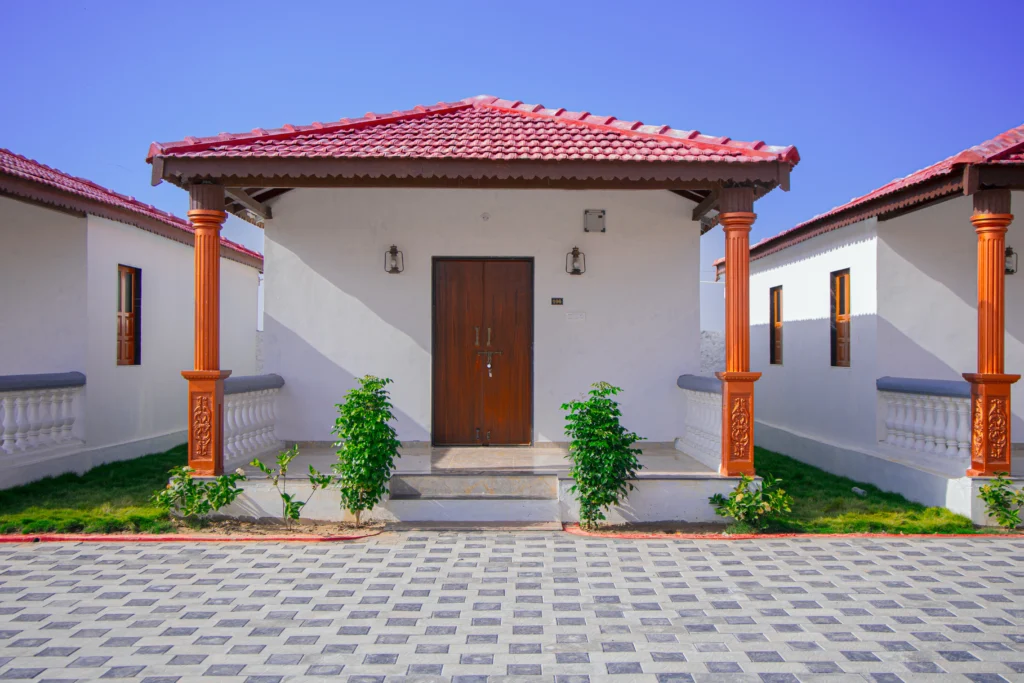
StayGuru accommodation near Dholavira
Travellers can enquire about accommodation options near Dholavira for easier access to the archaeological site and surrounding landscape. Confirm the exact property location, room types, meal arrangements, facilities and current rates before booking.
Stay in Bhuj for a wider Kutch itinerary
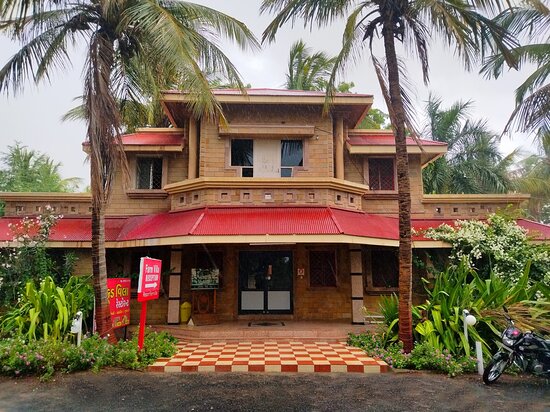
StayGuru hotels in Bhuj
If your holiday includes Bhuj sightseeing and other destinations, consider comparing city accommodation options such as:
- StayGuru Usha Residency
- StayGuru Hariom Residency
- StayGuru Parkview Residency
- StayGuru Hotel Atithi
- StayGuru Resort Farm Villa
Explore StayGuru’s website and confirm availability, location, facilities and suitability for your itinerary.
Other accommodation options for a Kutch holiday
Depending on your route and preferred travel style, you can also investigate:
These properties may suit different parts of a wider Kutch itinerary, but confirm their locations and travel distances before selecting one for a Dholavira visit.
AYO Hospitality Private Limited can be introduced as the broader hospitality business connecting accommodation and travel services, provided the corporate relationship and description are verified before publication.
Frequently Asked Questions
1. What is Dholavira Archaeological Site famous for?
Dholavira is famous for its ancient Harappan city, planned urban layout, fortifications, stone architecture and sophisticated water management system.
2. Where is Dholavira located?
Dholavira is located on Khadir Bet in the Great Rann of Kutch, in Gujarat’s Kutch district.
3. Why is Dholavira a UNESCO World Heritage Site?
Dholavira was inscribed on the UNESCO World Heritage List in 2021 because of its exceptional evidence of Harappan urban planning, construction techniques, water management and cultural development.
4. What is the best time to visit Dholavira?
October to March is generally recommended because the weather is usually more comfortable for outdoor sightseeing. Check the forecast before travelling.
5. How far is Dholavira from Bhuj?
Gujarat Tourism lists Dholavira at approximately 250 km from Bhuj by road via Bhachau and Rapar. Actual travel time varies with the route and road conditions.